Egypt's markets are not souvenir shops — they are theatre. A Khan el-Khalili stall owner will negotiate the price of a silver ankh with the patience of a chess master, and the ritual is half the reason to go. This guide covers the seven markets that matter, what things actually cost, how to haggle without causing offence, and where our photographers shoot.
The seven markets worth your time
1. Khan el-Khalili, Cairo
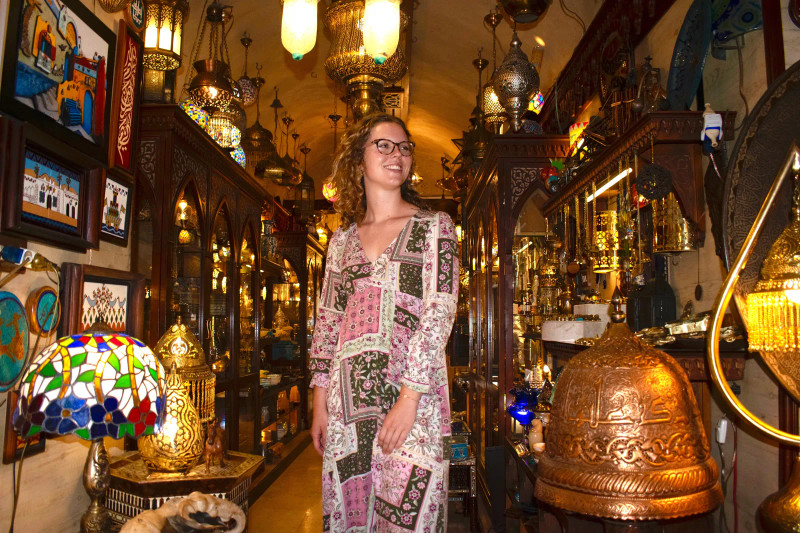
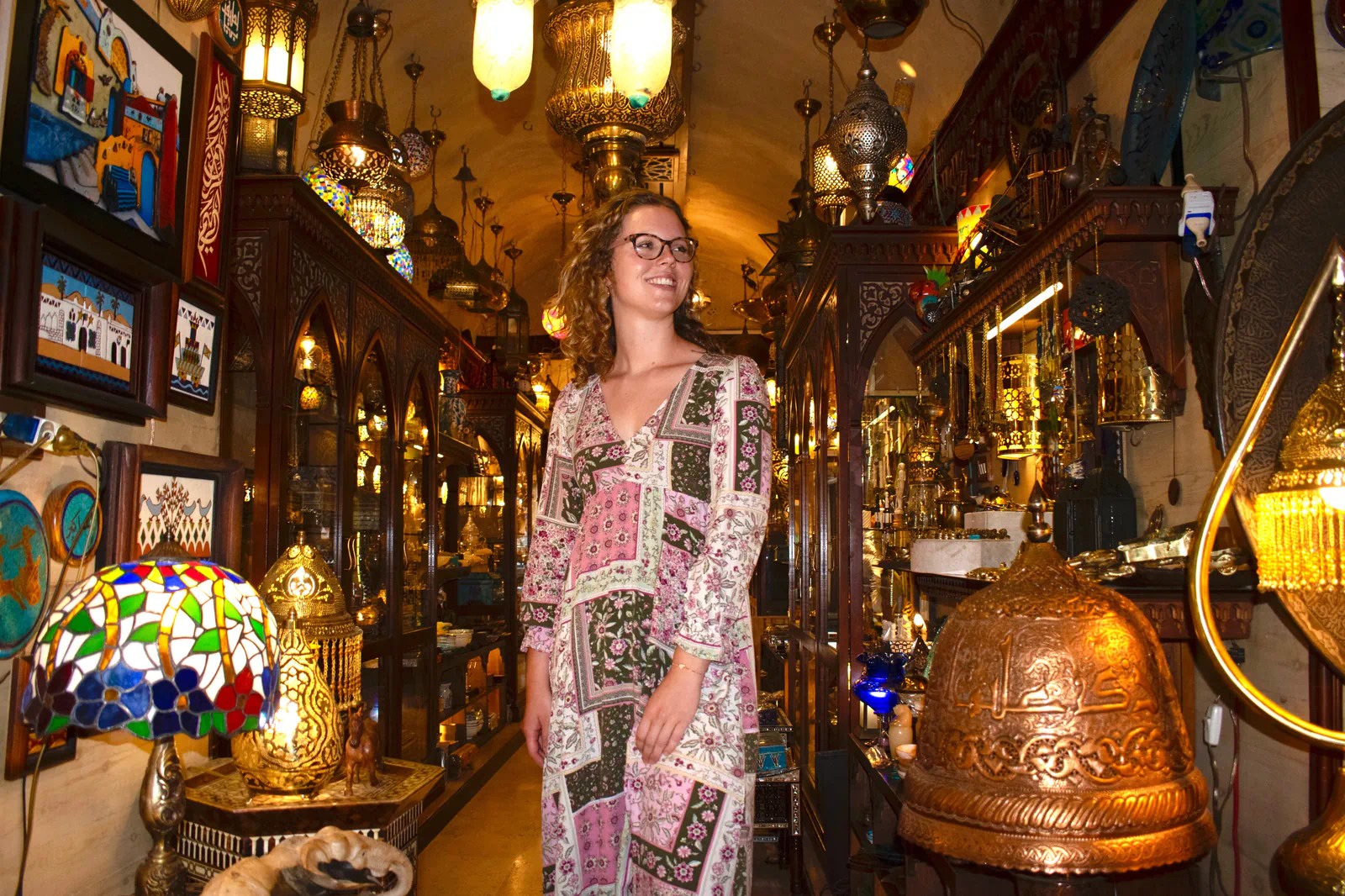
The famous one — and for good reason. 14th-century Mamluk architecture, glass-lantern workshops, spice stalls that date back centuries. Best for leather, brass lamps, silver jewellery, and papyrus. Go one alley deeper than the touristy front street. Best time: mid-morning (10–12) or 7–9pm.
2. Souq al-Fustat, Cairo
Quieter, mostly locals. Copper, silver, beads, and vintage textile restoration. Prices are 20–30% lower than Khan el-Khalili for the same quality. Our recommendation for photographers.
3. Street of the Tentmakers, Cairo
Sharia al-Khayamiya — the last surviving medieval covered market in Cairo, dedicated to khayamiya appliqué. Extraordinary colour, tiny workshops, no crowds. A photographer's dream.
4. Luxor Souq (Sharia al-Mahatta)
More relaxed than Cairo. Best for alabaster, scarabs, spices, and traditional galabiyas. Fewer hard sells. Haggling expected but friendly.
5. Aswan Souq
Nubian crafts, karkadé (hibiscus), cotton, and Nubian jewellery. Small, colourful, easy to navigate in an hour.
6. Alexandria's Attarine Souq
Second-hand books, brass, antique tiles, and old Attarine coffee shops. Quiet, atmospheric.
7. Sharia al-Muizz, Cairo
Not one market but the medieval axis of Cairo — an open-air collection of small shops between Bab Zuweila and Bab al-Futuh. Best at dusk, when the streetlights come on.
What things actually cost
Typical fair prices (what you should pay after negotiation, not the first asking price):
- Hand-painted papyrus (small): 60–150 EGP
- Silver ankh pendant: 400–900 EGP
- Quality cotton galabiya: 400–700 EGP
- Brass lantern (medium): 300–600 EGP
- Alabaster vase (small): 200–450 EGP
- Dried hibiscus, 250g: 30–80 EGP
- Full-strength Egyptian cotton bedsheet set: 800–1500 EGP
The first price will typically be 2–3× the fair price. Start your counter at 40–50% of the asking price, then move toward 60–70%. Do not counter at below 40% — that is considered rude.
How to haggle respectfully
- Smile. It is theatre, not conflict.
- Never show how much you love something.
- Walk away if the price doesn't suit you — but only once. Returning means you lose.
- Do not "just look" at something you have no interest in buying.
- Cash (small bills) gets a better price than card.
Photography in markets
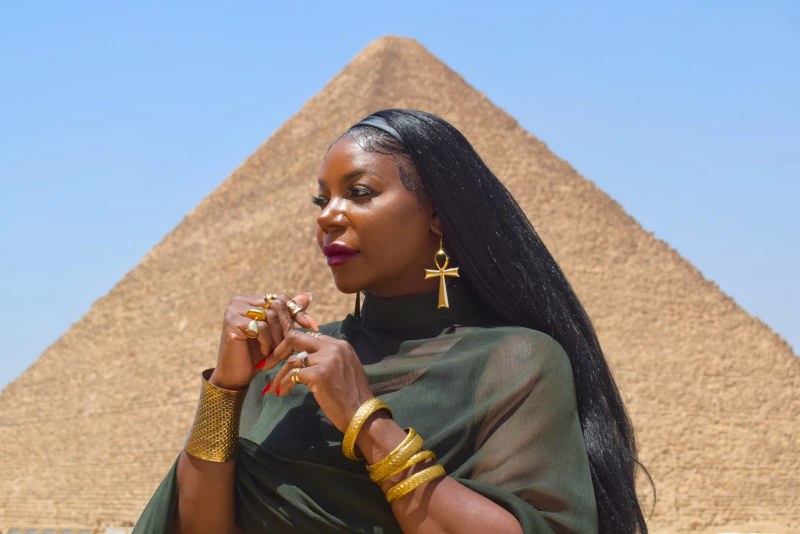
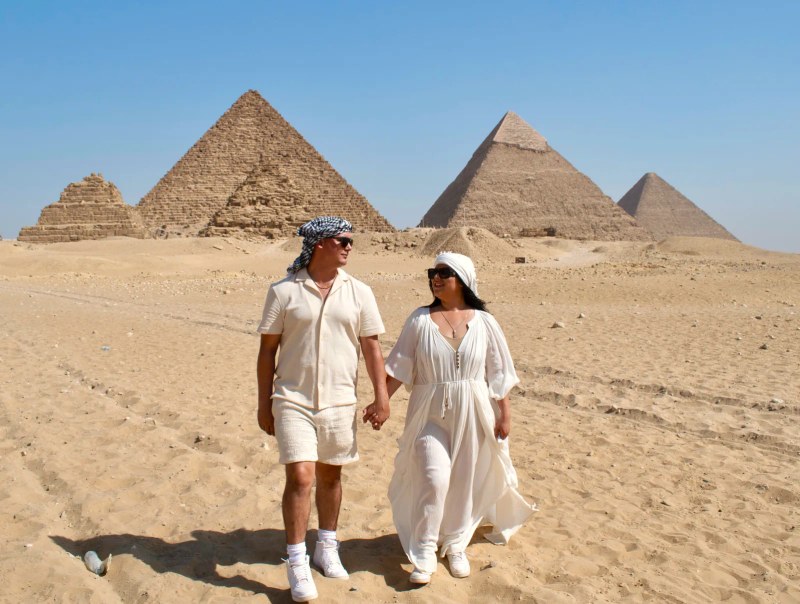
Merchants in tourist markets expect to be photographed and may ask for a small tip afterward. In the local markets, always ask first. Our Cairo & Giza 2-day tour includes a private market walk with a guide who knows which shopkeepers welcome photographers. For a private street-photography experience, book our Pyramids photoshoot — the photographer will extend it with an hour in Khan el-Khalili on request. See all options at all Egypt tours.