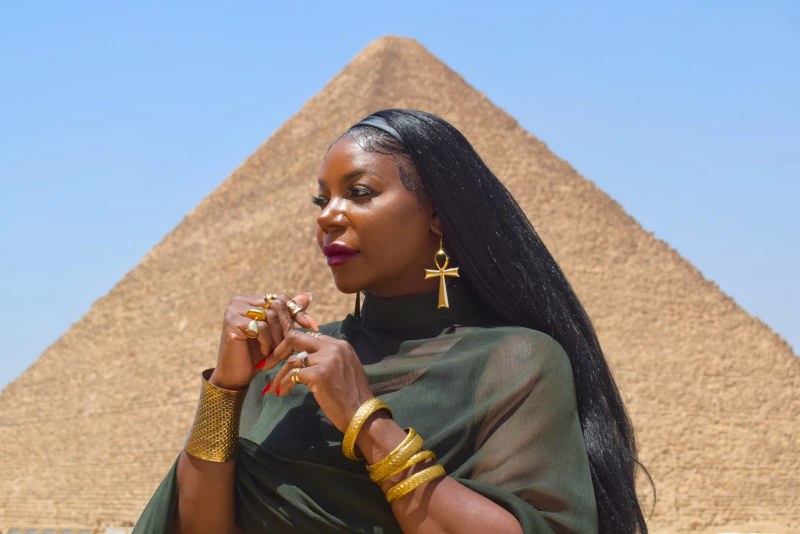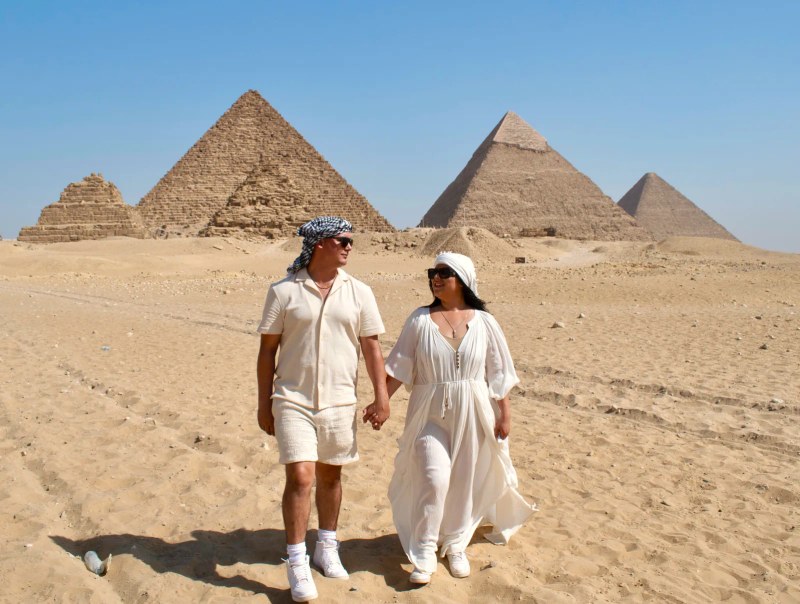
Every photographer in Egypt has the same argument at the same hour: which spot to shoot the Pyramids at sunset, and in what order. We have shot the Giza Plateau more than 4,000 times since 2015. The honest answer is that six viewpoints do 95% of the work — and three of them never appear on the tourist trail. Here is where they are, when to go, and how to shoot them.
Why sunset is the only hour that matters
From October to April the sun sets between 5pm and 6pm. That last hour of light is the only time the limestone turns amber instead of white, the crowds thin by 80%, and the temperature drops enough to shoot without heat haze. Our private sunset shoots are scheduled for gate time plus 3h30m — we arrive with 40 minutes of golden light and leave with the plateau almost to ourselves.
The six best viewpoints
1. The Panorama (the classic)
The paved viewpoint south of the plateau where all three pyramids line up in one frame. Tourists know it — so go 90 minutes before sunset and stay. The last 20 minutes, when the light turns from gold to pink, are the photograph.
2. The Sphinx viewing terrace
Lower angle, warmer stone, and the Sphinx in profile against the second pyramid. Underused at sunset because most tours visit in the morning. Our private shoot usually does the Panorama first, then drives to the Sphinx terrace for the last 15 minutes.
3. The desert track behind the third pyramid
The unpaved road along the southern edge of the plateau, used by camel herders. From here the three pyramids stack in a diagonal and the sand takes the sunset directly. Ten minutes from the Panorama by car. Almost no tourists — the camel owners are the only people you will see.
4. The Giza golf course
Green fairways as foreground, pyramids behind, the sky turning coral. The Marriott Mena House and a few private clubs allow access with prior permission. We arrange it on request for engagement and honeymoon shoots — see our honeymoon tour.
5. The Valley Temple and the Sphinx forecourt
Descend to the granite blocks of the Valley Temple, look up — the Sphinx fills the frame from below. Best at 20 minutes before sunset, when the light is horizontal and the shadows are long.
6. A papyrus shop rooftop on Sphinx Street
The postcard from above: rooftops, the Sphinx, the Pyramids beyond. Rooftop permits are informal but stable. We use one rooftop for portraits and small group shots — reserved in advance.
Sunset timing by month
- October: ~5:40pm — best month for sunset shoots.
- November: ~4:55pm — best light, cool air.
- December–January: ~5:00pm — shortest days, book early.
- February: ~5:45pm — the golden hour lengthens.
- March: ~6:05pm — heat returns; shoot in the last 30 minutes.
- April: ~6:20pm — still good, but dust sometimes.
- May–September: ~7:00–7:45pm — very hot; sunset shoots possible but only for the last hour.
Camera and posing tips
- Lens: 24–70mm for couples and portraits; 70–200mm to compress pyramids behind subjects.
- Settings: ISO 100, f/4–f/5.6, expose for the sky and lift shadows in post. Metering for the pyramids alone will blow the sky out.
- Silhouettes: last 10 minutes — expose for the sky, let the pyramids go dark. This is the shot that makes people stop scrolling.
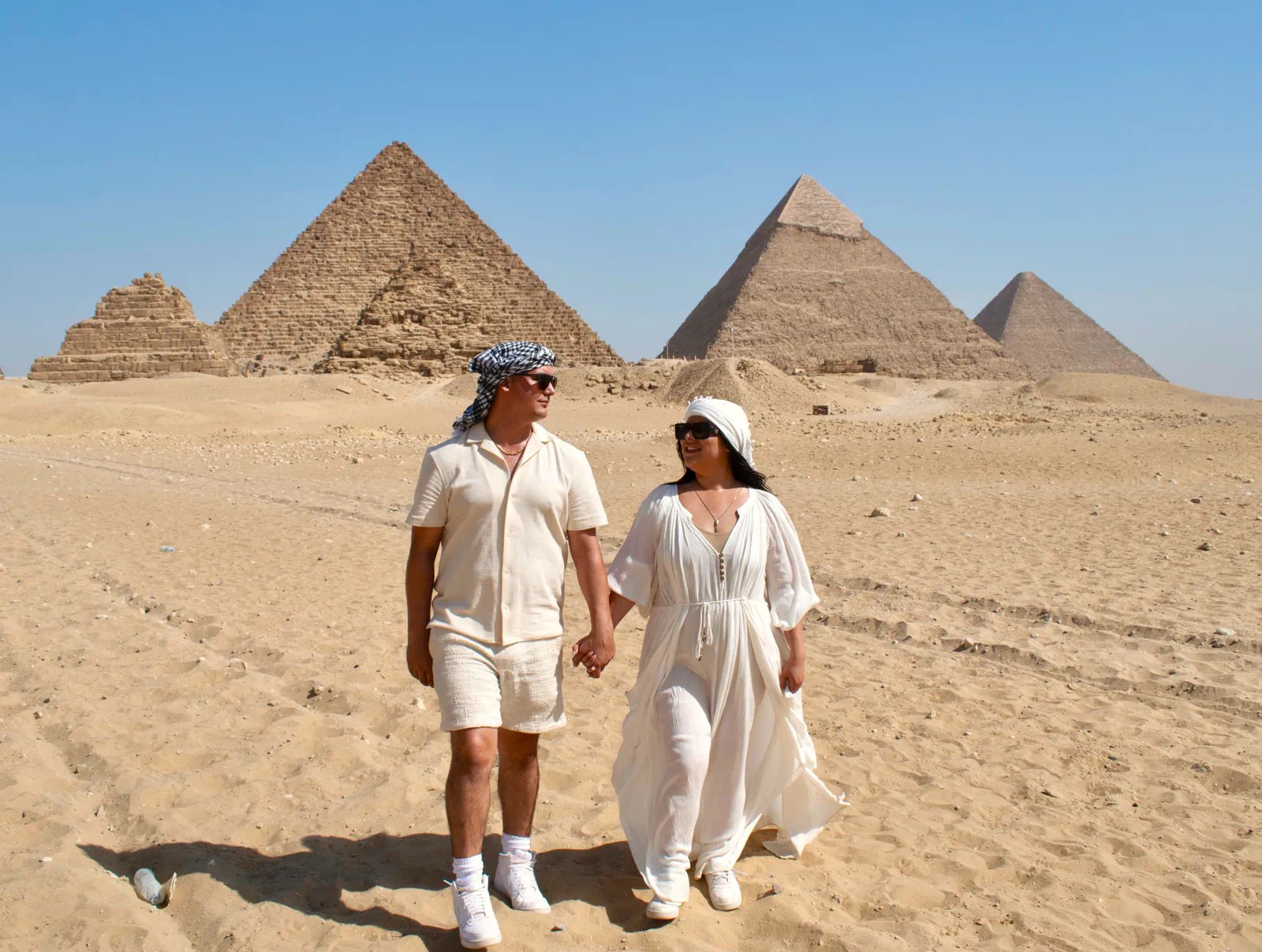
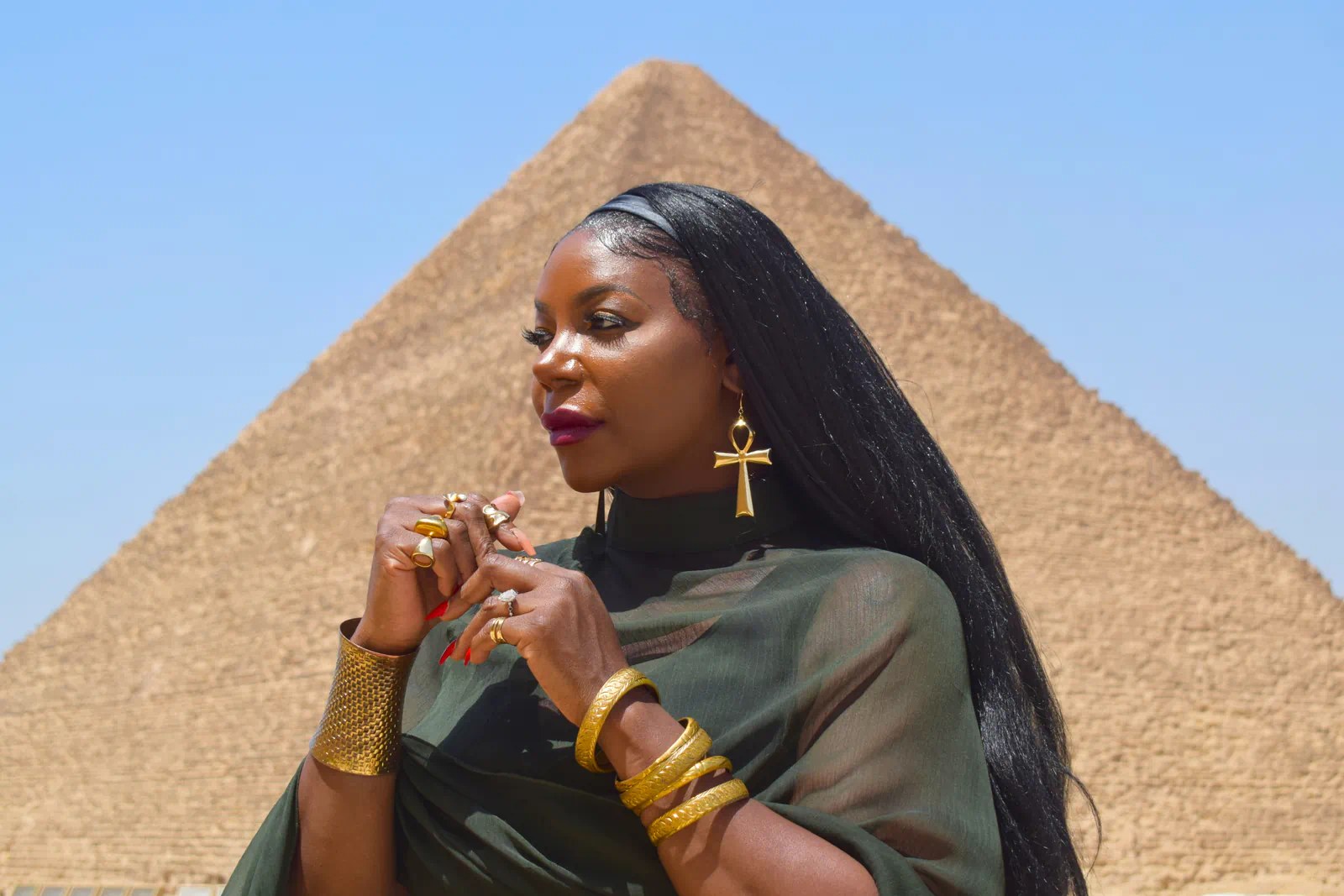
- Outfits: solid flowing colours photograph beautifully against desert. White, red, emerald, navy. Avoid busy patterns.
- Movement: long skirts and scarves catch wind in motion. Ask for "walk toward the pyramid" — not "stand and smile".
Booking a private sunset shoot
Our private Pyramids photoshoot covers all six of these viewpoints in a single session (2 of them at sunset), with a private photographer, Egyptologist guide, private transport and 150–300 retouched photos in 48 hours. For a multi-day version that includes sunset at Giza plus the Nile and Luxor, see our 7-day Egypt tour. For the highest-end version — helicopter transfer, five-star dinner, private dahabiya — see luxury Egypt tours.